Training Advice For Building Lean Muscle
Do you want to build muscle but avoid looking overly bulky? Many people prefer strength, definition, and a leaner frame over sheer size. The good news? With the right training approach, you can achieve precisely that. Let's walk through the key strategies to help you get strong, sculpted, and fit without piling on excess mass.
Focus On Compound Movements
One of the best ways to build lean muscle is to prioritise exercises that work multiple muscle groups at the same time. These compound movements stimulate more muscle fibres, burn more calories, and improve functional strength.
Examples include:
Squats for the lower body and core
Pull-ups for back and arms
Push-ups or bench press for chest, shoulders, and triceps
Deadlifts for full-body strength
By incorporating compound lifts into the foundation of your workout, you foster balanced muscle growth and avoid spending hours on isolated exercises that yield slower results.
Keep Reps In The Moderate Range
For lean muscle, the sweet spot is often 8 to 12 repetitions per set. This range provides enough resistance to challenge your muscles without promoting the extreme hypertrophy (size gain) that bodybuilders aim for.
For example, if you’re doing lunges, choose a weight that becomes difficult around the 10th rep, but still allows you to maintain proper form. As your strength improves, gradually increase the weight while staying in that moderate rep range.
Shorter Rest Periods For More Intensity
Resting too long between sets can reduce the calorie-burning effect of your workout. Instead, keep your rest periods between 30 and 60 seconds. This keeps your heart rate elevated and adds a cardio element to your strength training, which helps with fat loss and muscle definition.
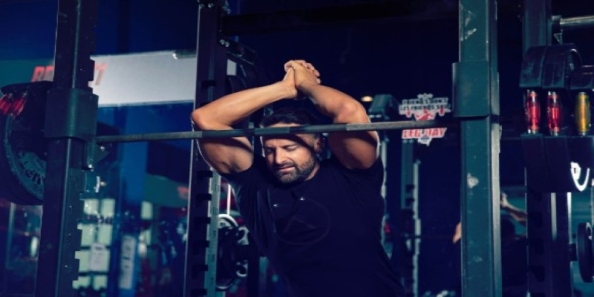
You could even structure your workout as a circuit—moving from one exercise to the next with minimal rest. This keeps things challenging and efficient, especially if you’re short on time.
Mix In Bodyweight Training
Not all strength gains come from lifting heavy weights. Bodyweight exercises like planks, dips, burpees, and mountain climbers help you develop strength and stability while engaging multiple muscles at once.
Bodyweight training is also easier on the joints, making it a wise choice for people who want longevity in their training without unnecessary strain.
Prioritise Progressive Overload
Your muscles adapt quickly, so you need to keep challenging them to grow stronger. Progressive overload simply means gradually increasing the difficulty of your workouts—whether by adding weight, doing more reps, or increasing time under tension.
This doesn’t have to mean huge jumps in weight. Small, consistent progress over time will give you noticeable strength and muscle definition without rapid size gain.
Include Resistance Bands For Variety
Resistance bands are an underrated tool for building lean muscle. They provide constant tension throughout the movement, making your muscles work harder, especially in the peak contraction phase.
They're also portable so that you can train anywhere. Try banded squats, rows, and chest presses to mix up your routine and hit muscles from new angles.
Train All Muscle Groups Equally
Some people focus only on their “mirror muscles” like chest and arms, but balanced training is key for a lean, athletic look. Make sure you include exercises for legs, back, shoulders, and core—not just upper body work.
A balanced physique also helps prevent muscle imbalances that could lead to injury or poor posture.
Don’t Skip Cardio—But Choose Wisely
While strength training should be your primary focus, incorporating the correct type of cardio can help you burn fat and maintain a lean appearance. High-intensity interval training (HIIT) is efficient for preserving muscle while boosting calorie burn.
For example, you might sprint for 20 seconds, rest for 40 seconds, and repeat for 10 rounds. This keeps your workouts short, sharp, and effective.
Use Mind-Muscle Connection
Pay attention to the muscles you're working during each exercise. By slowing down slightly and focusing on proper form, you activate more muscle fibres and get better results from every rep.
If you’re doing a bicep curl, for instance, concentrate on feeling the muscle contract and release instead of rushing through the movement.
Fuel Your Body For Lean Growth

Training is only part of the equation—nutrition matters as much. To build lean muscle:
Eat enough protein (chicken, fish, eggs, beans, or plant-based sources) to repair and grow muscle
Include healthy fats for hormone balance
Get carbohydrates from whole foods for workout energy
Avoid overeating in the name of “bulking” if your goal is lean muscle. A slight calorie surplus with quality foods will support growth without excess fat gain.
Recovery Is Part Of Training
Many people train hard but neglect recovery, which is when muscles grow. Aim for at least one or two rest days per week, and get enough sleep each night.
Stretching, foam rolling, and light mobility work on rest days can help your muscles repair faster and keep you feeling fresh for your next session.
Adjust Your Plan Over Time
Your body adapts quickly to repeated routines, so switch things up every 6–8 weeks. That could mean changing exercises, adjusting sets and reps, or trying new training tools like kettlebells or TRX straps.
Changing your approach prevents plateaus and keeps your workouts interesting.
Example Weekly Training Split For Lean Muscle
Here’s a balanced approach that combines strength, cardio, and recovery:
Day 1: Full-body strength (compound lifts + moderate reps)
Day 2: HIIT cardio + core work
Day 3: Upper body strength (push-pull focus)
Day 4: Active recovery (Yoga, light stretching, walking)
Day 5: Lower body strength (squats, lunges, deadlifts)
Day 6: Circuit training (mix of strength and cardio)
Day 7: Rest
This structure allows for enough training volume to stimulate muscle growth while leaving space for recovery.
Staying Motivated For The Long Term
Building lean muscle takes time. Track your workouts to see progress, whether it's lifting heavier, doing more reps, or noticing visual changes in your body. Celebrate small wins along the way—they keep you motivated for the bigger goals.
Find training styles you enjoy, so working out feels less like a chore and more like a part of your lifestyle. Whether that’s the gym, outdoor training, or home workouts, consistency matters more than perfection.
The Takeaway
Lean muscle training blends wise exercise choices, moderate intensity, recovery, and balanced nutrition. Focus on compound movements, shorter rest, and a mix of strength and cardio to sculpt a toned, athletic body without bulk. Stay consistent, and you'll build strength, definition, and confidence that lasts.